


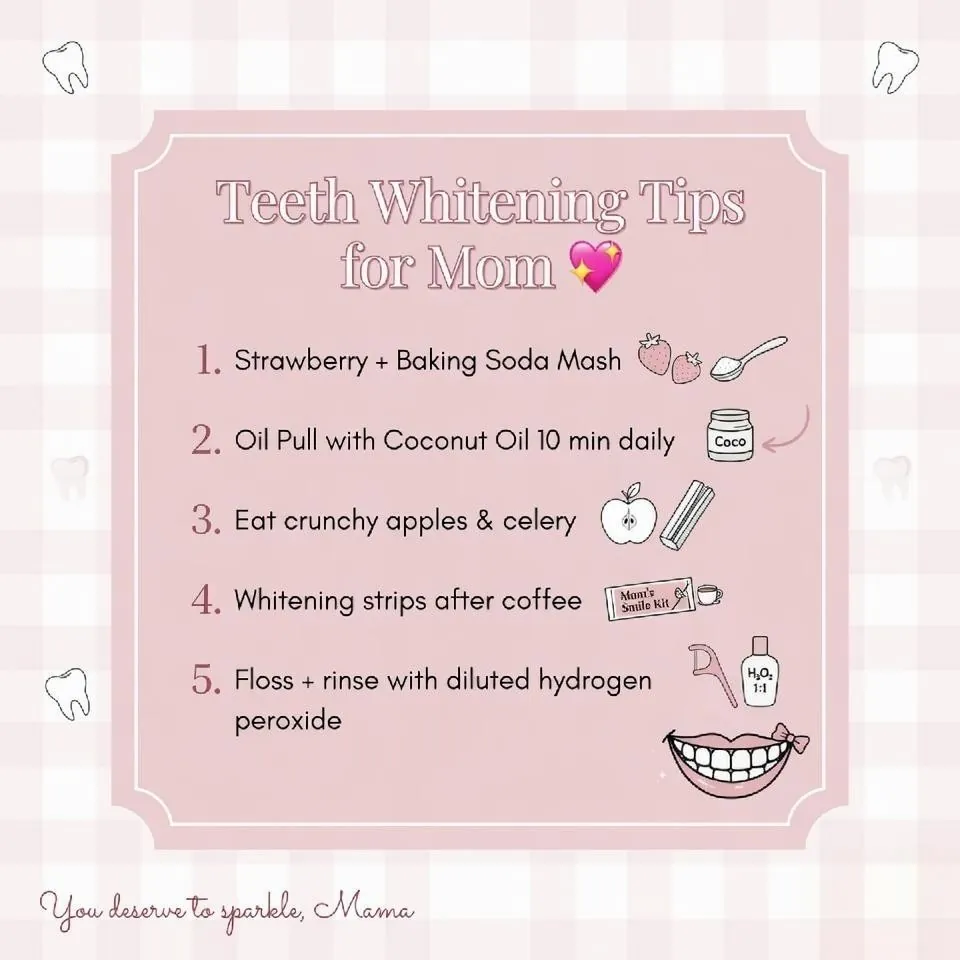
A bright, confident smile can make a lasting impression — and teeth whitening is one of the most sought-after cosmetic dental treatments today. Whether you are preparing for a special occasion or simply want to refresh your appearance, understanding the right approach to whitening can help you achieve safe and lasting results.
From everyday habits to professional treatments, here are seven practical teeth whitening tips recommended by dental professionals.
1. Consult Your Dentist Before Starting
Before trying any whitening product or treatment, it is important to speak with your dentist. Not all types of tooth discolouration respond the same way to whitening agents. A dental professional can:
- Assess the cause and extent of staining
- Identify any underlying issues such as cavities or gum disease that should be addressed first
- Recommend the most appropriate whitening method for your specific needs
Skipping this step can lead to uneven results or sensitivity, especially if existing dental work such as crowns or veneers are present.
2. Choose the Right Whitening Method
There is no one-size-fits-all solution for teeth whitening. Options generally fall into two categories:
- Professional in-office treatments: These deliver faster, more dramatic results and are closely supervised by a dental professional. Laser-assisted whitening is one such option that can produce noticeable improvement in a single visit.
- At-home whitening kits: Custom trays prescribed by your dentist or over-the-counter strips can be effective for mild to moderate staining, though results take longer.
The right choice depends on the severity of discolouration, your budget, and your timeline.
3. Maintain a Consistent Oral Hygiene Routine
Whitening works best on clean teeth. A strong daily routine forms the foundation of any whitening effort:
- Brush at least twice a day using a fluoride toothpaste
- Floss daily to remove plaque and debris from between teeth
- Use an antibacterial mouthwash to reduce bacteria that contribute to surface staining
Without proper hygiene, whitening results are unlikely to last and new stains can develop more quickly.
Read more: The Side-Effects of Home Teeth Whitening
4. Limit Stain-Causing Foods and Beverages
Certain foods and drinks are known to accelerate tooth discolouration. Being mindful of your consumption can help preserve whitening results:
- Common culprits include: coffee, tea, red wine, dark-coloured berries, tomato-based sauces, and soy sauce
- When consuming staining beverages, use a straw to minimise contact with tooth surfaces
- Rinse your mouth with water after consuming staining foods or drinks
Eliminating these entirely is not necessary, but moderation and mindful habits go a long way in maintaining a brighter smile.
5. Avoid Tobacco Products
Tobacco is one of the most significant contributors to tooth staining. Both smoking and chewing tobacco can cause deep, stubborn yellowing that is difficult to reverse with standard whitening products alone.
- Nicotine and tar in tobacco penetrate tooth enamel, causing long-term discolouration
- Tobacco use also increases the risk of gum disease, which can undermine the effectiveness and longevity of any whitening treatment
Quitting tobacco is one of the most impactful steps you can take for both your oral health and the appearance of your smile.
6. Be Cautious with Over-the-Counter Products
While there are many whitening toothpastes, strips, and gels available without a prescription, it is important to use them carefully:
- Look for products with the American Dental Association (ADA) seal of approval or equivalent certification in your region
- Follow the instructions precisely — overuse can lead to enamel erosion and increased tooth sensitivity
- Avoid products with excessively high peroxide concentrations unless directed by a dental professional
If you experience prolonged sensitivity or gum irritation, discontinue use and consult your dentist.
7. Schedule Regular Professional Cleanings
Professional dental cleanings are an often-overlooked component of maintaining a white smile. During a cleaning, a dental hygienist:
- Removes surface stains that brushing at home cannot address
- Eliminates tartar build-up, which can trap discolouration
- Polishes teeth to create a smoother surface that resists future staining
Regular visits every six months not only keep your smile looking its best but also allow your dentist to monitor any changes and recommend timely whitening maintenance.
Final Perspective
Achieving a brighter smile is entirely achievable with the right combination of professional guidance and consistent at-home care. From choosing the appropriate whitening method to managing dietary habits and tobacco use, each tip contributes to both the immediate result and its long-term sustainability.
For best outcomes, consult with a qualified dental professional who can tailor a whitening plan to your unique needs. Whether you opt for an in-office procedure or a take-home approach, a personalised strategy ensures both safety and effectiveness.
Frequently Asked Questions:
1. Is laser dental treatment painful during the procedure?
+2. How long does a laser dental procedure usually take?
+3. What should I expect immediately after laser dental treatment?
+4. How long does it take to heal after laser dentistry?
+5. What should I avoid after laser dental treatment?
+6. Do I need special aftercare following laser dental procedures?
+RECENT POSTS
Snoring & Sleep Apnea: How a Custom Dental Appliance Can Help You Both Sleep
Mouth Taping for Better Sleep: Does the Viral Biohack Actually Work?
Vaping and Your Teen’s Teeth: The Hidden Oral Health Risks Every Parent Should Know
Pre-Wedding Smile Prep: A 6-Month Countdown to Your Big-Day Smile
Should You Fly Home for Dental Work? A Bay Area Guide to “Dental Tourism” Abroad
Can AI Spot Cavities Better Than Your Dentist?
Matcha, Cold Brew & Sparkling Water: Stains & Erosion
Viral TikTok Dental Hacks, Debunked
Hydroxyapatite vs. Fluoride Toothpaste: What to Know
“Ozempic Teeth”: Protecting Your Smile on GLP-1 Medications
How Long Do Dental Treatments Last? A Complete Guide to Longevity of Dental Care
7 Teeth Whitening Tips for a Brighter Smile
What to Expect During and After Laser Dental Treatment
The Benefits of Laser-Assisted Dental Care
Hard Tissue vs. Soft Tissue Laser Dentistry: Key Differences
Laser Dentistry: A Modern Approach to Dental Treatment
The Silent Link: How Gum Disease Impacts Your Heart
Smart Foods for Bright Smiles: Making Children's Dental Care Fun and Easy
Family Traits and Teeth: How Genetics Shape Your Dental Health
Robotics Redefining Dental Implants – From Planning to Placement
The Latest Treatments in Dental Care: Innovations for a Healthier Smile
One Dentist, One Family, Better Smiles – The Case for Continuity of Care
Single Tooth Implants vs. Full Arch: Techniques Compared
Smiles for All Ages: Your Guide to Family-Friendly Dental Care in San Jose
Affordable Dental Implants in San Jose: A Breakdown of Expenses
Invisalign for Adults: Is It Too Late to Straighten Your Teeth?
Post-Pandemic Stress-Related Dental Damage and Treatments
Dental Trends to Watch in 2025 - Innovations in Oral Care
New Year, New Smile: Top Dental Hygiene Resolutions for 2025
Cosmetic Dentistry Before the Holidays: Get Ready to Smile!
Preventive Dental Care: Assessing Your Dental Needs Before Year-End
How Stress Affects Oral Health: Understanding the Connection
Back-to-School Dental Checklist: A Guide for Parents and Kids
Dental Care in the Bay Area for International Travelers without Insurance
Discovering Hidden Health Risks: How Dentists Can Spot Cardiovascular Issues
The Importance of Oral Care for Mothers
Critical Evaluation of DIY Aligners: Advantages and Disadvantages
10 Dental New Year Resolutions You Should Make
The Side-Effects of Home Teeth Whitening
The Benefits of Professional Teeth Whitening
Uncovering the Brilliance of Veneers: The Profound Power of a Radiant Smile
The Surprisingly Long History of Dental Fillings
Everything You Need to Know About Dental Fillings
Pediatric Dental Problems 101 – What Parents Need to Know
Understanding Pediatric Dental Health: When Tooth Extraction May Be Necessary for Your Child
What Does Dental Surgery Mean?
How Is Dental Implant Surgery Done?
Dental Implant Surgery - What You Need to Know
What happens if you Do Not go for Dental Checkups?
Frequently Asked Questions About Invisalign
Four Tips for Choosing the Best Dental Clinic in San Jose
What Does a Cosmetic Dentist Do?
What Happens During a Dental Exam?
How to Prepare for Orthodontic Treatment
Dental Implants - What They Are and What They Do
How to Find a Good Dental Office
Dental Care and Dental Treatment for Seniors
Your Mouth, Your Smile, And Your Health
Understanding Common Dental Treatments
When Does a Dental Condition Turn into Emergency Dental Care?
What Is the Best Crown Type for the Front Teeth?
Why Don't Emergency Rooms Handle Dental Emergencies?
5 Benefits of Having a Family Dentist
5 Common Types of Dental Emergencies
Laser Dental Treatment: The Way to the Best Dental Care
5 Things Every Person with Dentures Needs To Know
What are the Most Common Dental Diseases?
5 Reasons Why Baby Teeth are Important
Dental Care During Winter - Ways to Protect your Teeth
Grinding and Clenching Teeth – The Harmful Effects
New Trends in Dentistry and What They Mean For Patients
Importance of Orthodontic Treatments
Importance Of Properly Aligned/Straight Teeth
Who's Afraid of Dental X-Rays?
Precautions to be Taken When Visiting Your Dentist
Diet, Oral Hygiene and Pregnancy - What You Need To Know
COVID 19 - What You Need To Know
Why you must say 'yes' to Fluoride
Gum Disease and Systemic Health
How Smiling And laughing Affect Your Health








At Hills Dental Group, we deliver the Best Dental Care in San Jose for patients of all ages. From preventive check-ups and cosmetic treatments to restorative solutions and emergency care, our team blends expertise with compassion to keep your smile healthy and confident. Discover why families across the Bay Area trust Hills Dental Group for comprehensive care.
Office Hours
Monday
: 9:00 AM - 5:00 PM
Tuesday
: 9:00 AM - 5:00 PM
Wednesday
: 9:00 AM - 5:00 PM
Thursday
: 9:00 AM - 5:00 PM
Friday
: Closed
Saturday
: Closed
Sunday
: Closed
Copyright © 2020-2026 Hills Dental Group. All Rights Reserved. Privacy Policies